Advice
Turf or Artificial Grass? Choosing for a Wiltshire Garden
By Matt, Gordon's Home & Garden ·
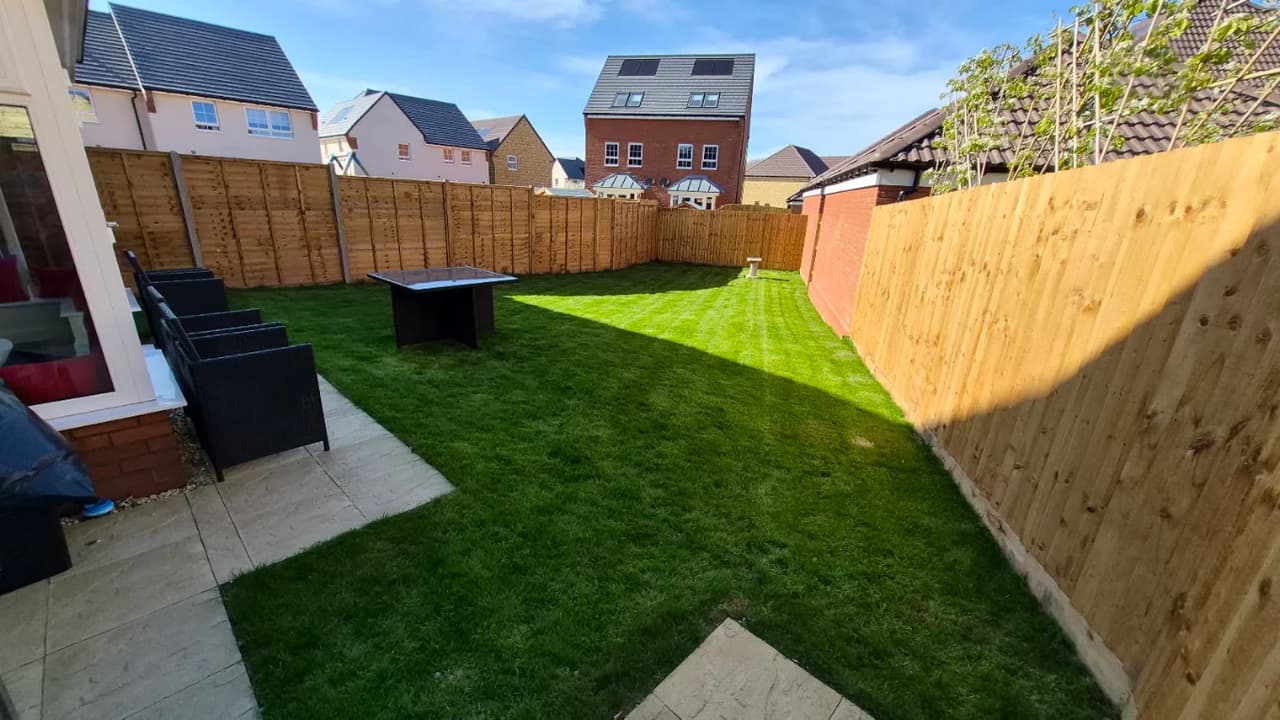
A new lawn is one of the most common parts of a garden makeover, and one of the first questions is whether to lay real turf or artificial grass. Both can look good. Both can go wrong. The right answer depends on your garden, not on a general rule, so this guide sets out the honest pros and cons of each.
Real turf
Real turf is grown on a farm, cut into rolls and laid on prepared ground. Once established it behaves like any lawn.
The good: it is cheaper to lay than artificial grass, it stays cool in summer, it drains and absorbs rain, and it supports soil life, insects and the birds that feed on them. A healthy lawn can be repaired by overseeding rather than replaced.
The less good: it needs mowing through the growing season, some feeding and occasional renovation. It struggles in deep shade and on heavy, waterlogged clay unless the ground is improved. It wears where people walk.
When to lay it: the RHS says turf is best laid in mid-autumn and can go down until early spring, avoiding the period from mid-spring to early autumn when hot weather makes it hard to establish. It should not be laid on frozen or waterlogged ground. The soil should be dug or rotavated to 20 to 25cm first, and new turf can usually be mown on a high setting about three weeks after laying.
Artificial grass
Artificial grass is a synthetic surface laid on a prepared, free-draining base.
The good: no mowing, it stays green all year, it copes with heavy use and it can work in spots where real grass will not grow, such as deep shade or small courtyards.
The less good: it costs more to install. It gets much hotter than real grass in direct sun. It is plastic, and research reported by the University of Manchester points to concerns about microplastics shed into the environment, harm to soil life and wildlife, and a limited lifespan of around 5 to 10 years, after which it is hard to recycle. It still needs brushing, leaf clearing and the occasional clean.
Drainage on clay matters for both
Much of the ground around Trowbridge and Melksham is clay, which drains slowly. For real turf, that means proper preparation: breaking up compaction, removing rubble, adding a better topsoil layer and sorting out the levels so water does not collect. For artificial grass, it means a properly built, permeable sub-base. Laying artificial grass straight onto clay is a recipe for puddles and smells.
Questions to help you decide
- How much sun does the area get? Real grass needs light. Deep shade under trees or north-facing walls suits neither grass well.
- How will it be used? Children and dogs wear real lawns, but they also turn artificial grass into a hot, smelly surface if it is not cleaned.
- How much upkeep do you want? Mowing once a week in summer, or brushing and cleaning a few times a year.
- Do you care about wildlife? Real grass and planted borders support far more of it.
- How long will you be there? Artificial grass is a cost every 5 to 10 years.
A middle route
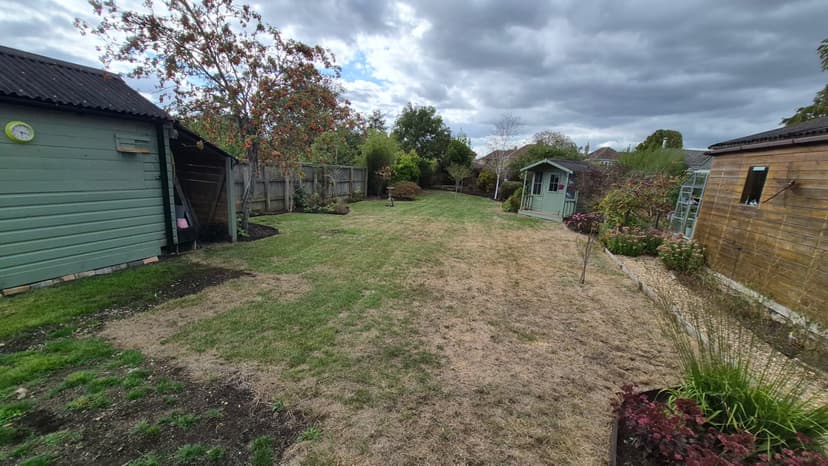
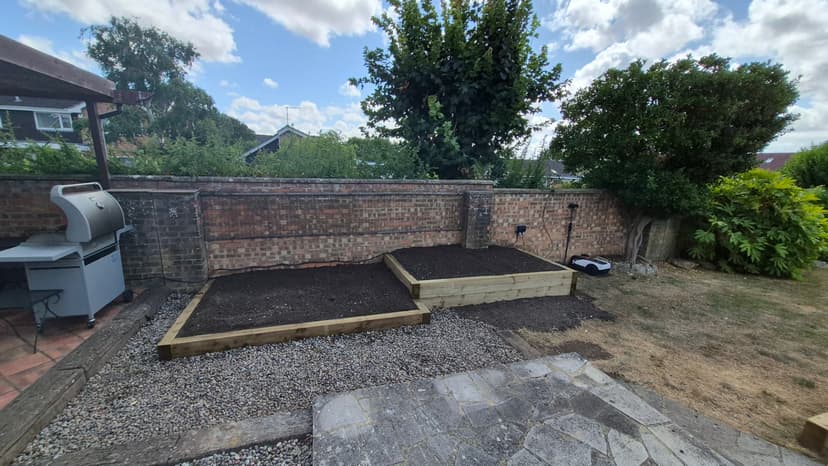
Many gardens do best with a mix: real turf where it gets the sun, with a patio, gravel or planted borders where grass struggles. Shady corners often suit a gravel area with planting rather than grass of either kind. Raised beds are a good answer on wet clay borders.
Getting the ground right first
Whichever you choose, a new lawn is only as good as the preparation. In new-build gardens especially, there is often compacted subsoil and buried rubble under a thin layer of topsoil. A garden makeover deals with that properly before the lawn goes down. If you already have a lawn that is struggling, the guide to autumn lawn care may help it recover before you replace it. Once it is in, regular garden maintenance keeps it looking right.
Matt lays lawns across Trowbridge, Melksham and the surrounding area, and will tell you straight which option suits your garden. For a free quote, get in touch or call 07356 272150.