Advice
Sorting Out a New-Build Garden in Trowbridge
By Matt, Gordon's Home & Garden ·
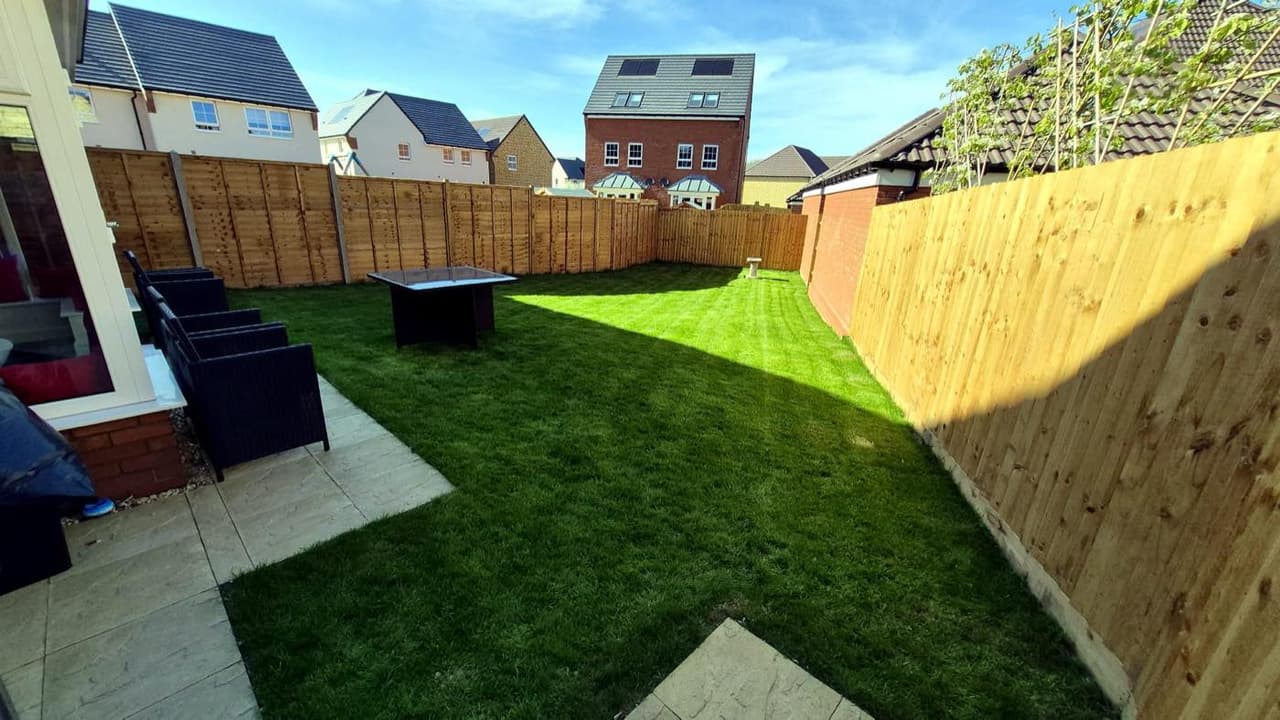
Trowbridge has grown a lot in recent decades, from Paxcroft Mead in the late 1990s to the newer estates on the edges of the town and in neighbouring parishes. Melksham and Westbury have seen the same, with developments such as Leigh Park in Westbury and the newer housing around Bowerhill. If you have bought a new-build home, the garden you were handed is probably a rectangle of turf, a small slab patio and a panel fence. It is a start, but there is often more going on under the surface.
The common problems
The RHS describes the usual issues with new-build gardens clearly.
Compaction. Construction traffic drives over the subsoil for months, compacting it. Topsoil is then spread over the top, but the hard layer underneath stays, giving roots a poor place to grow and stopping water draining away.
Buried rubble. Debris and surplus materials are sometimes covered over when the topsoil goes on. Bricks, concrete, wire and plastic turn up when you start digging.
Thin or variable topsoil. Imported topsoil varies in quality, and most new-build soils are low in nutrients.
Poorly laid lawns. The RHS notes that if turf was poorly laid, it may only be a matter of time before problems appear, and that on heavy clay, lawns tend to deteriorate in winter wet. Sometimes it is better to lift the turf, prepare the ground properly and relay it.
On the clay ground common around Trowbridge, compaction and poor drainage make each other worse.
Check it in the rain
The simplest test is to look at the garden during and after heavy rain. Water that sits on the lawn for hours, or a patio that holds puddles, tells you more than any amount of looking in dry weather.
What to fix first
1. Drainage and levels. If water collects, deal with that before anything else. That may mean breaking up compacted ground, adjusting levels, or adding drainage where it is needed.
2. The soil. Digging over to break up the compacted layer and removing rubble is hard work but transforms what will grow. Adding organic matter improves structure. On wet clay, raised beds filled with a better mix are often the easier route.
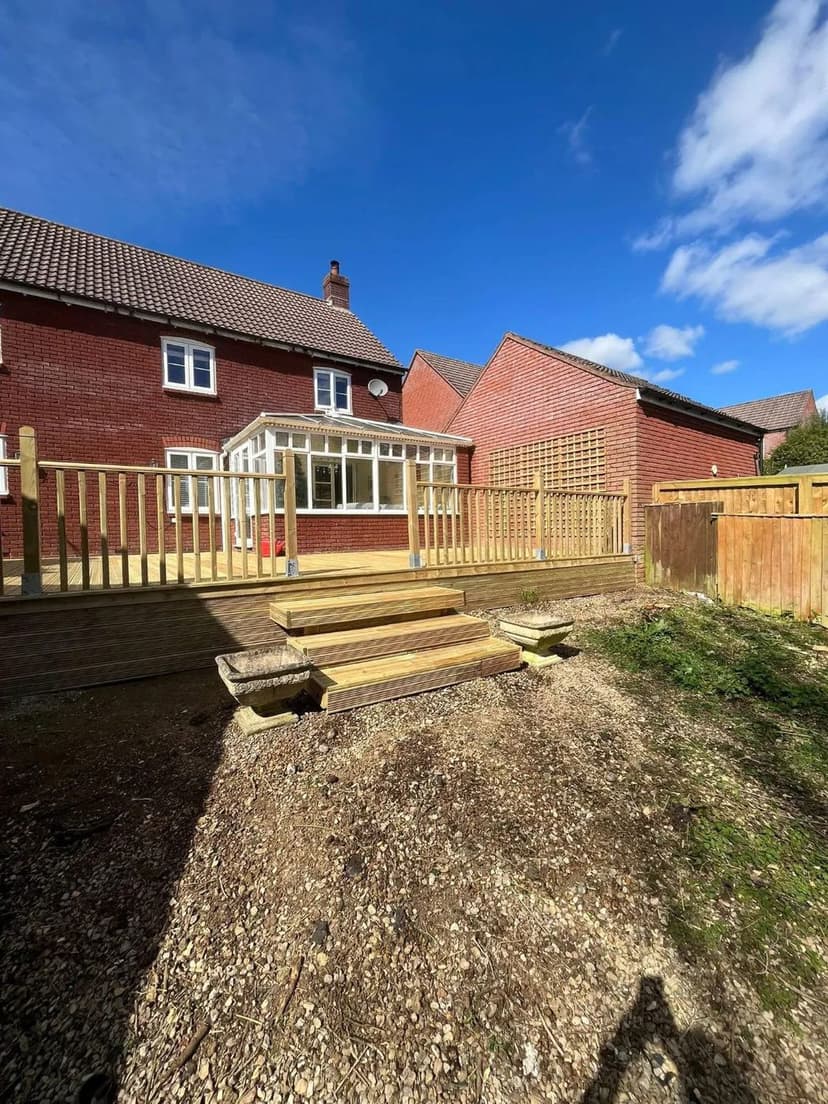
3. Hard landscaping. Developer patios are often small and laid on a minimal base. A bigger, properly built patio in the right spot makes the garden usable. See building a patio on clay soil.
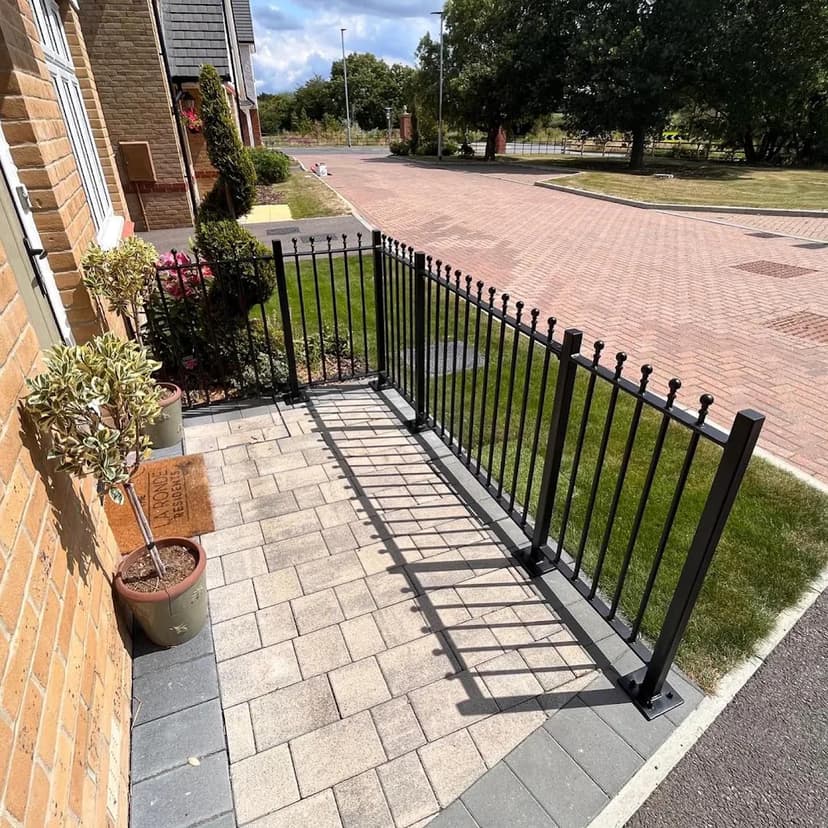
4. Boundaries. New-build panel fences are often the lightest available. Replacing them with stronger fencing, or adding concrete posts and gravel boards, is a common upgrade. The guide to fence planning permission covers the height rules.
5. Lawn and planting last. Once the ground and hard landscaping are sorted, lay new turf or plant up beds. The guide to turf or artificial grass helps with that choice.
Check your deeds
Many new-build homes have covenants, particularly about front gardens, fences and sheds, and some have planning conditions that remove permitted development rights. Read your documents before making changes to the front of the property.
Plants for difficult new-build soil
While the soil improves, choose plants that cope with tougher conditions rather than fighting it. Many shrubs and perennials that like heavier, moisture-retentive ground do well on improved clay. Avoid planting trees too close to the house or drains, and check the mature size of anything you plant along a fence line. Adding well-rotted organic matter every year, rather than once, gradually changes the soil for the better.
How long it takes
Fixing a new-build garden does not have to happen in one go. Many people start with the drainage, patio and fencing in the first year, then add beds, planting and lawn improvements over the next. Doing the hard landscaping first avoids damaging new turf or planting later, and it spreads the cost.
Working with what you have
A new-build garden does not have to be done all at once. Fixing the drainage and soil first means everything you add later works better.
Matt sorts out new-build gardens across Trowbridge, Melksham and Westbury: garden makeovers with new turf and beds, patios and paths and stronger fencing. For a free quote, get in touch or call 07356 272150.